
I first want to say to all of you Happy Hanukah !
Hanukah is one of my favorite Holidays, and there are so many reasons for that, also because its around my birthday ofcourse. I wanted to share a little about Hanukah because some of us forget how important it is or what events took place on this day. Its not all about parties and eating latkes and jelly donuts.
"Hanukkah", from the Hebrew word for "dedication" or "consecration", marks the re-dedication of the Temple in Jerusalem after its desecration by the forces of Antiochus IV and commemorates the "miracle of the container of oil". According to the Talmud, at the re-dedication following the victory of the Maccabees over the Seleucid Empire, there was only enough consecrated olive oil to fuel the eternal flame in the Temple for one day. Miraculously, the oil burned for eight days, which was the length of time it took to press, prepare and consecrate fresh olive oil.
The martyrdom of Hannah and her seven sons has also been linked to Hanukkah. According to the Talmudic story[1] and 2 Maccabees, a Jewish woman named Hannah and her seven sons were tortured and executed by Antiochus for refusing to worship an idol, which would have been a violation of Jewish law.
Zot Hanukkah
The last day of Hanukkah is known as Zot Hanukkah, from the verse read on this day in the synagogue (Numbers 7:84, Zot Chanukat Hamizbe'ach, "This was the dedication of the altar"). According to the teachings of Kabbalah and Hasidism, this day is the final "seal" of the High Holiday season of Yom Kippur, and is considered a time to repent out of love for God. In this spirit, many Hasidic Jews wish each other Gmar chatimah tovah ("may you be sealed totally for good"), a traditional greeting for the Yom Kippur season. It is taught in Hasidic and Kabbalistic literature that this day is particularly auspicious for the fulfillment of prayers.
One of my favorite events that happend on hanukah which shows also how powerful women in judism.
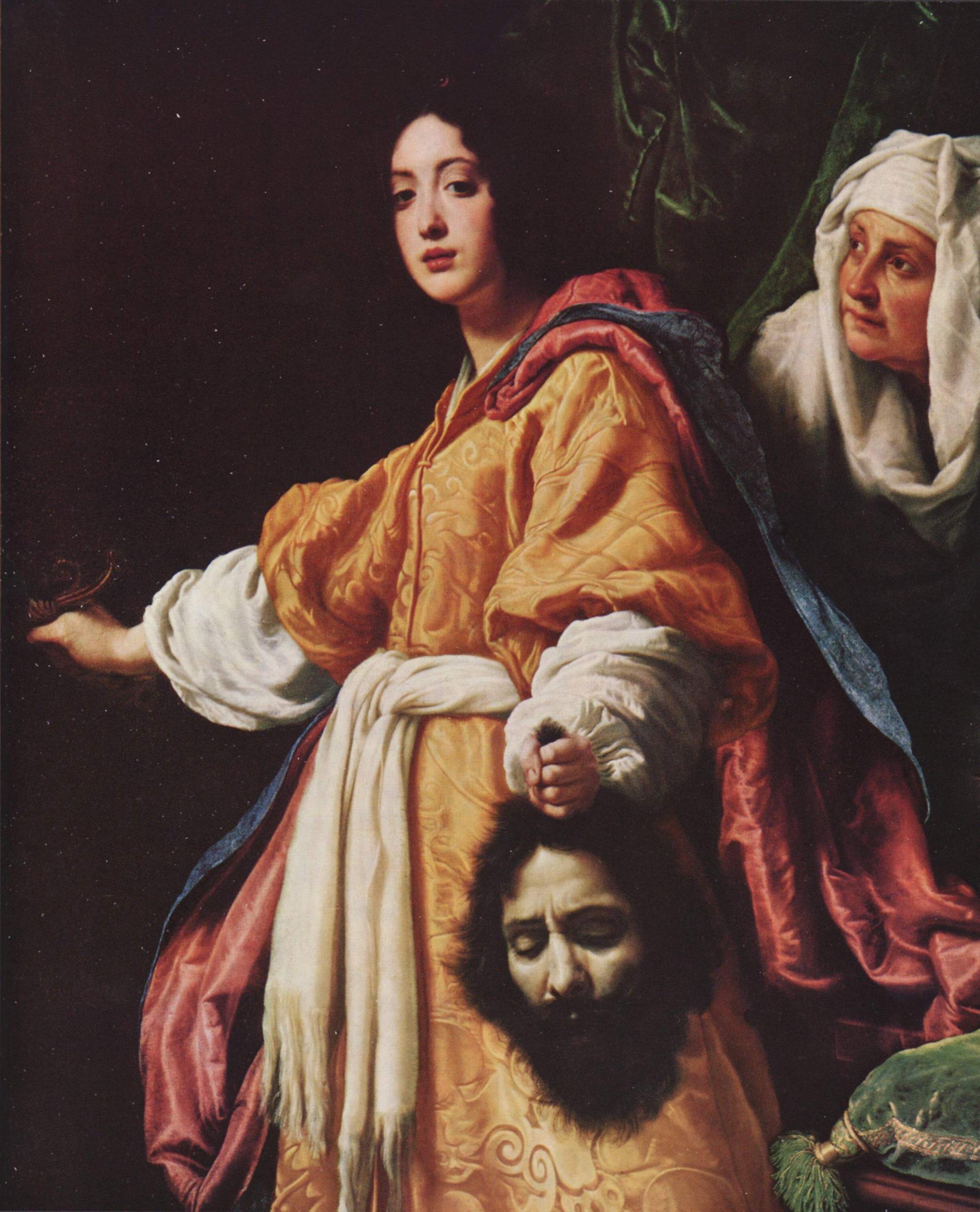
The story of Judith and Holofernes.
The eating of dairy foods, especially cheese, on Hanukkah is a minor custom that has its roots in the story of Judith. The deuterocanonical book of Judith (Yehudit or Yehudis in Hebrew), which is not part of the Tanach, records that, Holofernes, an Assyrian general, had surrounded the village of Bethulia as part of his campaign to conquer Judea. After intense fighting, the water supply of the Jews is cut off and the situation became desperate. Judith, a pious widow, told the city leaders that she had a plan to save the city. Judith went to the Assyrian camps and pretended to surrender. She met Holofernes, who was smitten by her beauty. She went back to his tent with him, where she plied him with cheese and wine. When he fell into a drunken sleep, Judith beheaded him and escaped from the camp, taking the severed head with her (the beheading of Holofernes by Judith has historically been a popular theme in art). When Holofernes' soldiers found his corpse, they were overcome with fear; the Jews, on the other hand, were emboldened, and launched a successful counterattack. The town was saved, and the Assyrians defeated.
There is a longstanding Jewish tradition that Judith was the daughter of Yochanan the Kohen Gadol (and consequently a sister of Mattathias the Hasmonean and an aunt of Judah the Maccabee). In the Rema's gloss on the Shulchan Aruch he writes “There are authorities (Kol Bo and the RaN) who say that one should eat cheese on Hanukkah, because the miracle was performed with milk that Judith fed the enemy.”[30] The Chofetz Chaim there adds in his Mishna Berurah on the words “that Judith fed,” “She was the daughter of Yochanan, the Kohen Gadol. There was a decree that every espoused bride should submit to the dignitary first before the consummation of her marriage. She fed cheese to the head of the oppressors in order to intoxicate him and cut his head and they all fled.”[31]
Generally women are exempt in Jewish law from time bound positive commandments, however the Talmud requires that women engage in the mitzvah of lighting Hanukkah candles “for they too were involved in the miracle.”[32] This account of Judith’s involvement with the events of Chanukah serves to explain the requirement of women to participate in the rituals of Hanukkah and the origins of the custom of eating dairy during the holiday.
There is a longstanding Jewish tradition that Judith was the daughter of Yochanan the Kohen Gadol (and consequently a sister of Mattathias the Hasmonean and an aunt of Judah the Maccabee). In the Rema's gloss on the Shulchan Aruch he writes “There are authorities (Kol Bo and the RaN) who say that one should eat cheese on Hanukkah, because the miracle was performed with milk that Judith fed the enemy.”[30] The Chofetz Chaim there adds in his Mishna Berurah on the words “that Judith fed,” “She was the daughter of Yochanan, the Kohen Gadol. There was a decree that every espoused bride should submit to the dignitary first before the consummation of her marriage. She fed cheese to the head of the oppressors in order to intoxicate him and cut his head and they all fled.”[31]
Generally women are exempt in Jewish law from time bound positive commandments, however the Talmud requires that women engage in the mitzvah of lighting Hanukkah candles “for they too were involved in the miracle.”[32] This account of Judith’s involvement with the events of Chanukah serves to explain the requirement of women to participate in the rituals of Hanukkah and the origins of the custom of eating dairy during the holiday.
Hanukah the festival of lights also of miracles! May we all see a miracles happen in our lives.
Happy Hanukah


No comments:
Post a Comment